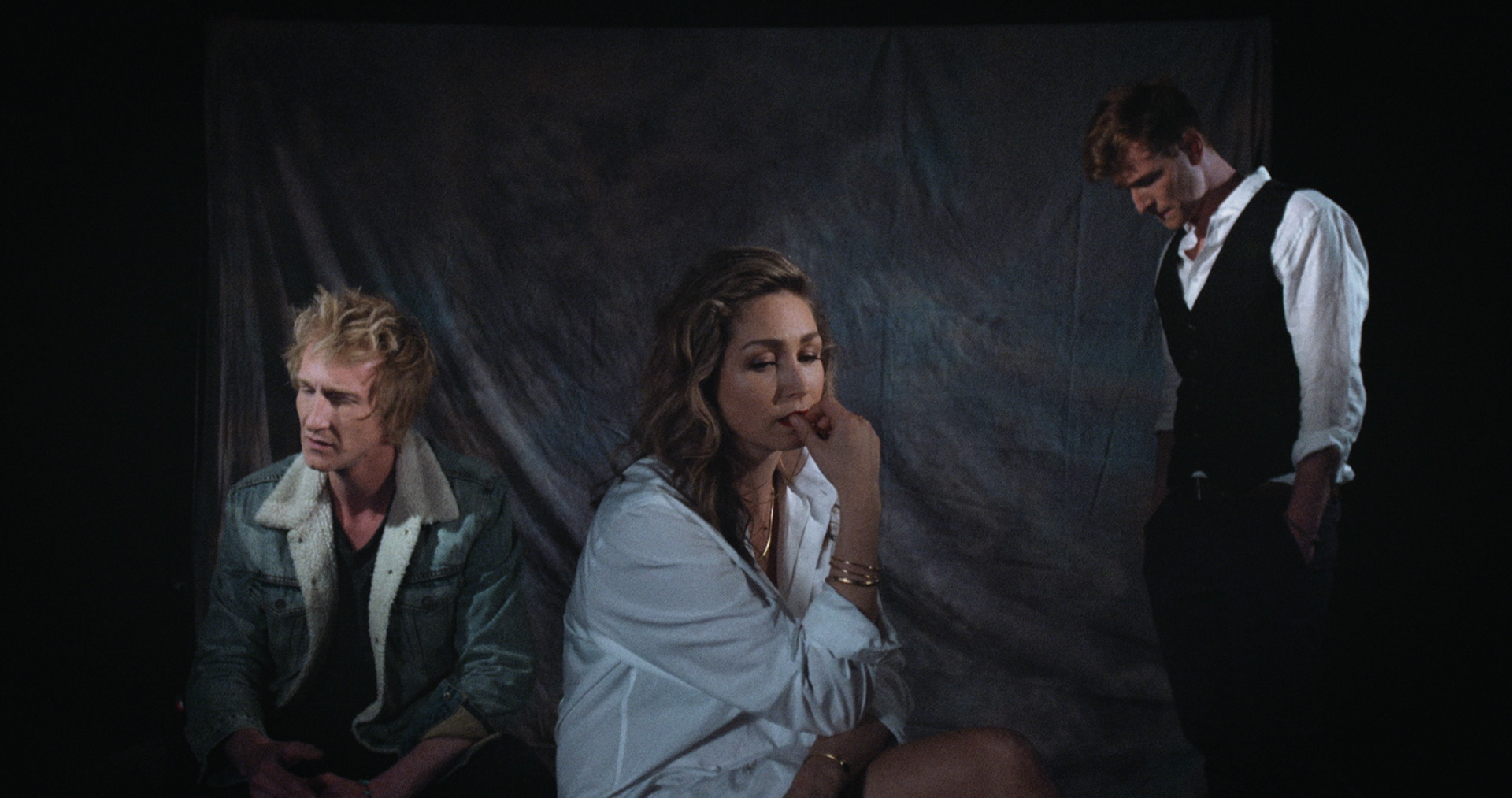
One song. Three performers. One take.
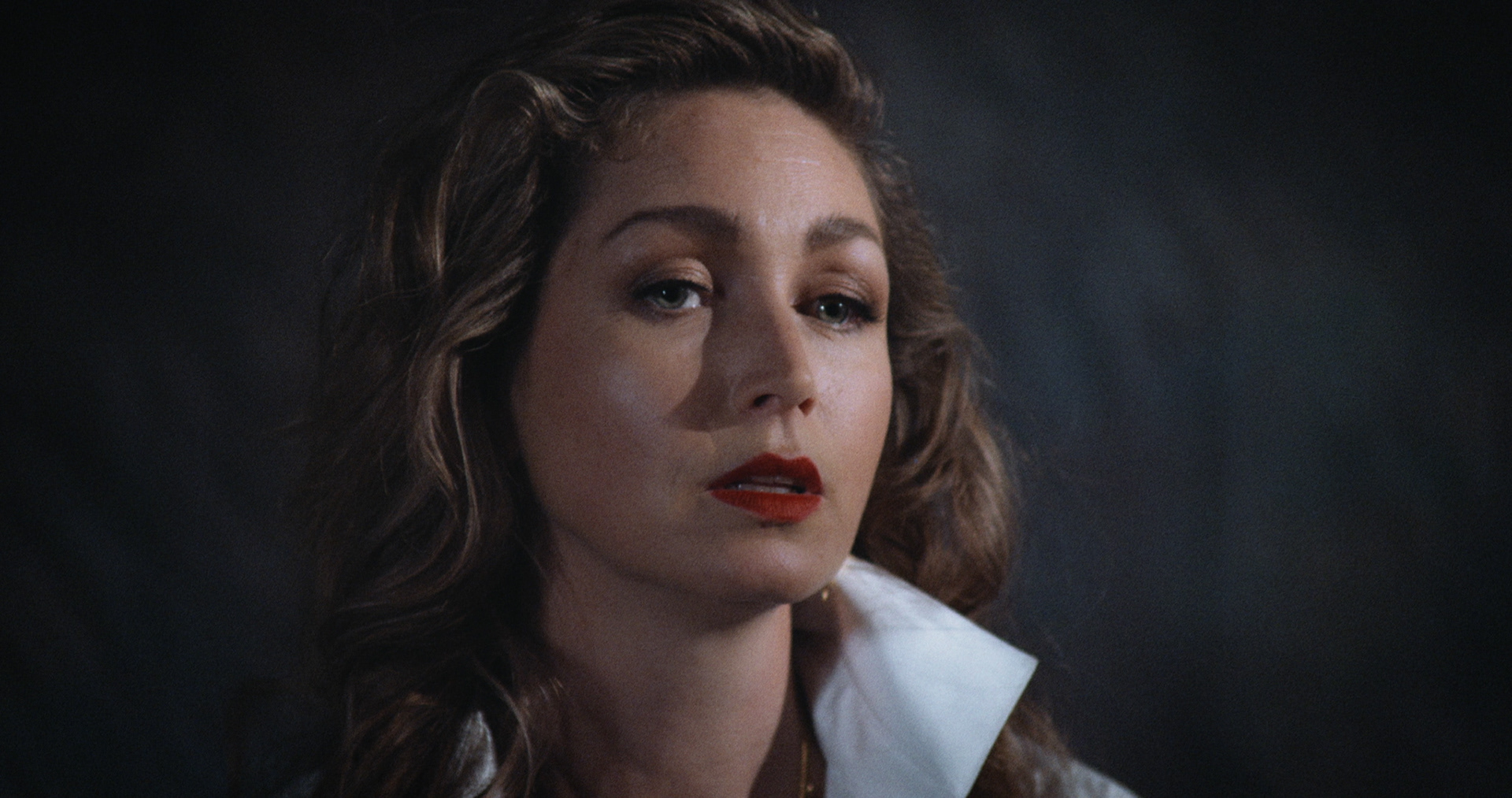
Degene Die Gaat is an acoustic reimagining built for three voices and nowhere to hide. A single uninterrupted take, an intimate studio, and fifteen years of emotional weight compressed into a few minutes of raw, undecorated performance.
The video is equal parts document and portrait; concert film and confession; rehearsal and revelation. It is simultaneously the song as written in a remote French castle and the song as it exists between three people in a room.
No cuts, no safety net, no second chances. The camera holds. The performers hold. Everything either lands or it doesn't.
The Brief
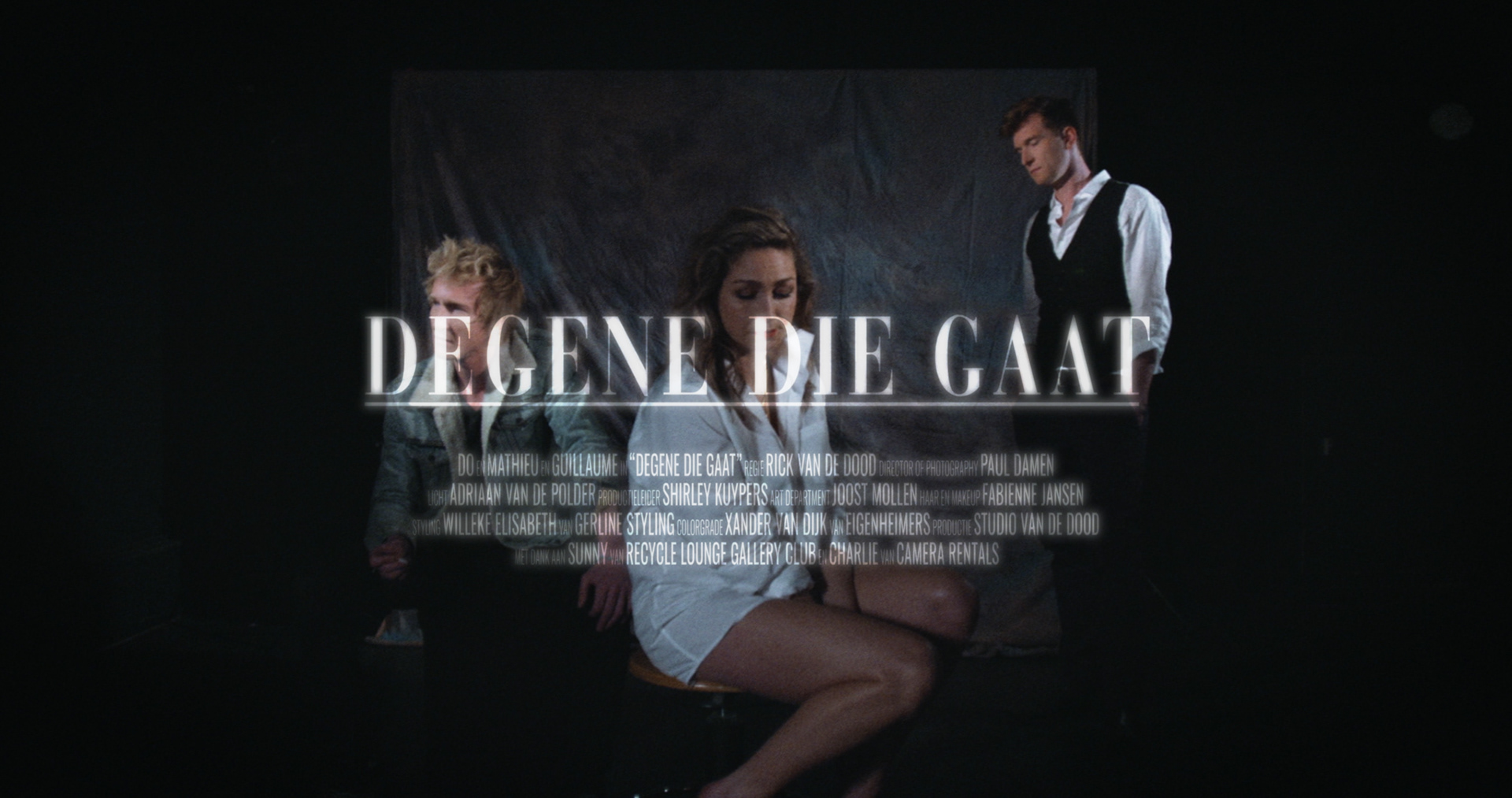
In 2017, Dominique Rijpma van Hulst — known as Do — began work on her first fully Dutch-language album. She travelled to a castle farm in Dijon, France, with nine songwriters, to write from the inside out. Every fight, every high, every quiet loss from the previous fifteen years went into the material.
Degene Die Gaat was reimagined as an acoustic trio. Do invited Flemish brothers and Antwerp musical duo Mathieu & Guillaume Engels to perform alongside her. The request to direct came with one condition built into the song itself: it had to feel like it was happening right now, in front of you, unrepeatable.
The Approach
The single take is not a stylistic choice. It is the only honest response to the material.
A song written in isolation, about fifteen years of accumulated emotion, performed by three people who each bring their own weight to it — that cannot be constructed in the edit. It either exists in real time or it doesn't exist at all. The cut would be the lie.
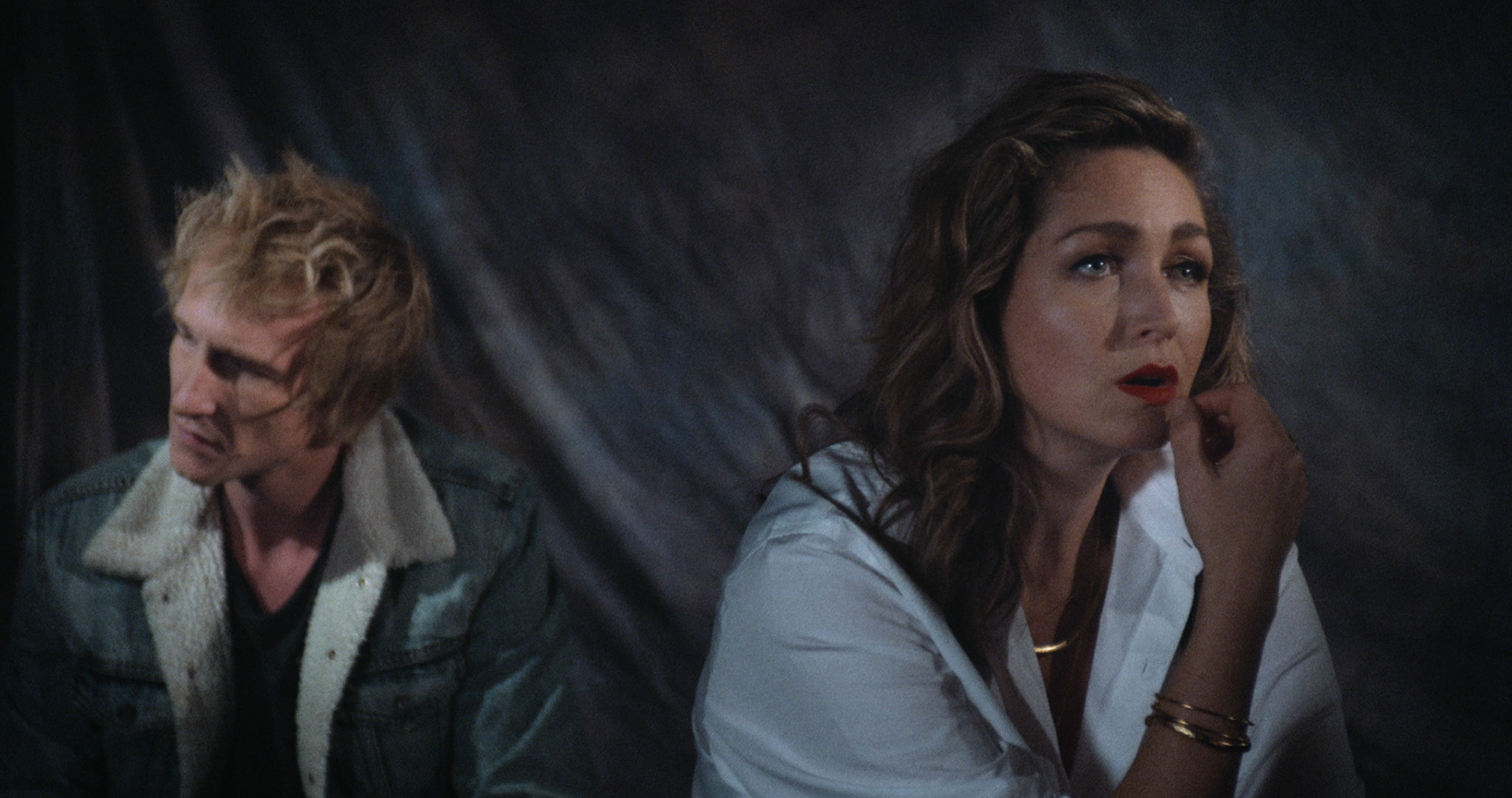
The studio setting was stripped to its minimum. No location, no concept, no distraction. The frame holds the three performers and nothing else. What happens between them is the video.
Performance
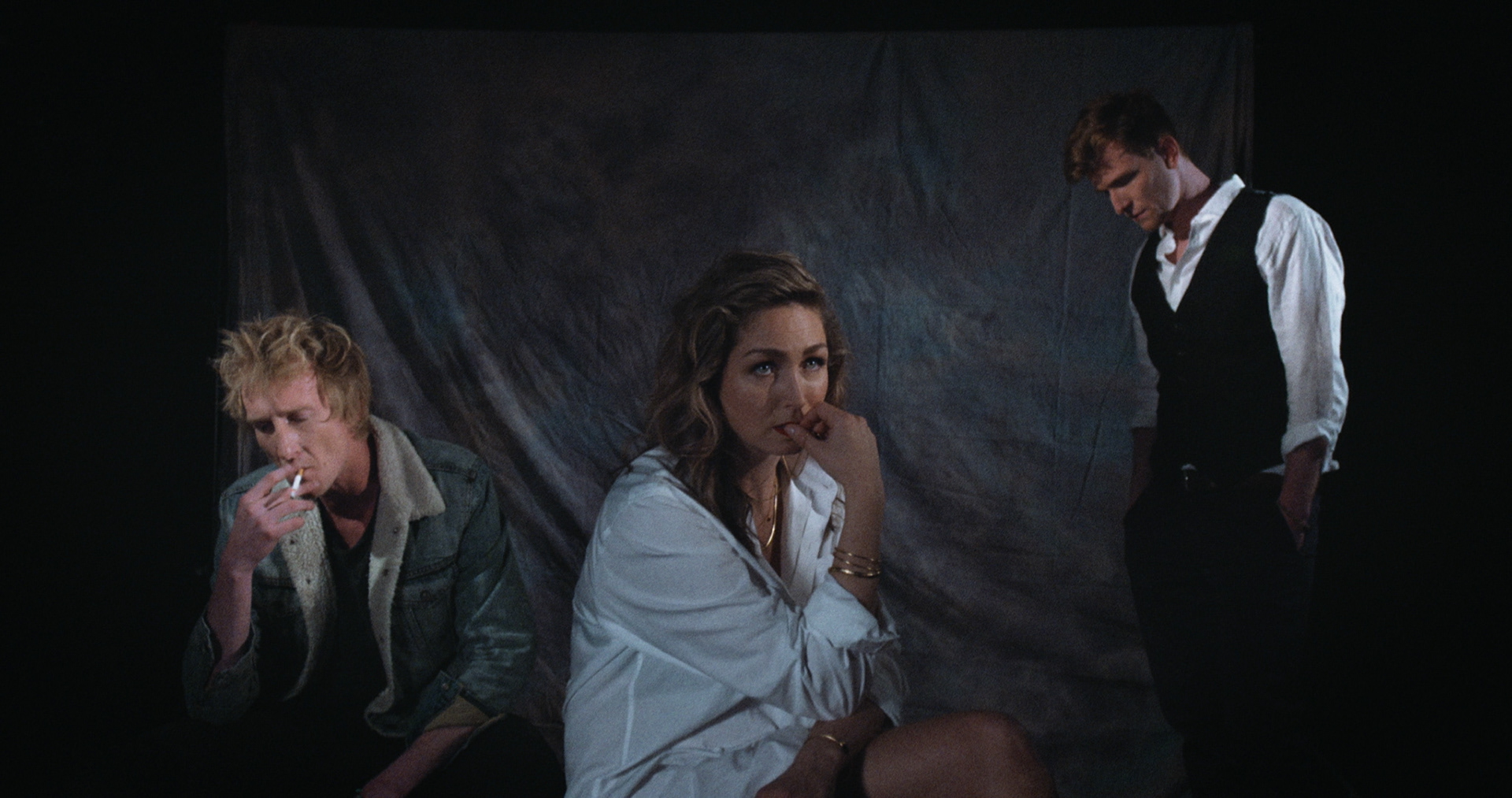
Do's performance carries the song's fifteen-year interior life without explaining it. Mathieu and Guillaume provide architecture — harmonic, physical, present. The trio doesn't perform at each other. They perform inside something shared.
The single take means every breath, every glance, every moment of restraint is in the final cut. Nothing was fixed. Nothing needed to be. The intensity the song demands was already there.
The Result
A document of three people in a room, doing something unrepeatable, once.
The video does not interpret the song. It does not decorate it. It holds a frame around a performance and gets out of the way — an objective record of something that happened and will not happen again in exactly that way.